Transys

TRAnSYS 888

EV Innovation: Parts to Performance.

Sustainable Mobility for a Better Future

Eco-friendly alternatives for future transportation

Business

EV Conv.
EV Conversion

Replacing the engine with an electric powertrain.

Mobirise Website Builder
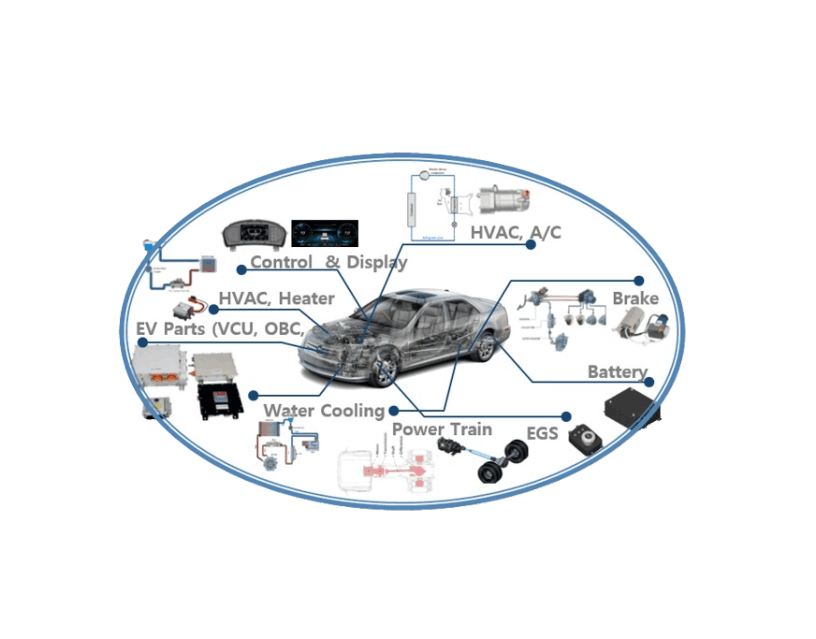
EV Parts Development

Developing EV parts for EV and converted EV.

Mobirise Website Builder
EV AC Charger

Construction of EV AC Charging Station 

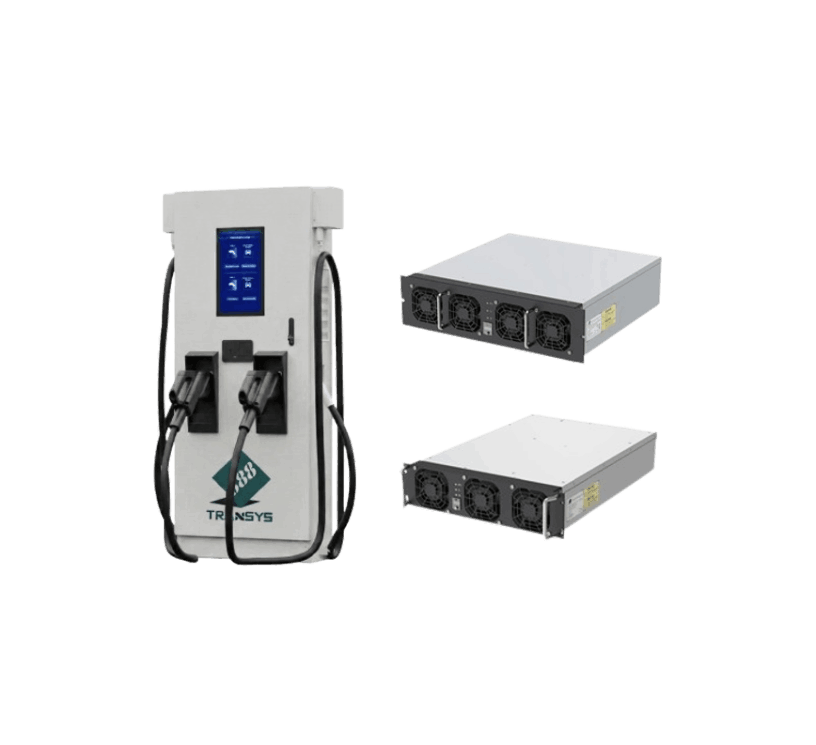
EV DC Charger

EV DC Charging Station & 30kW, 40kW, 50kW ACDC Charging Module 

Items

Electrical components for EV
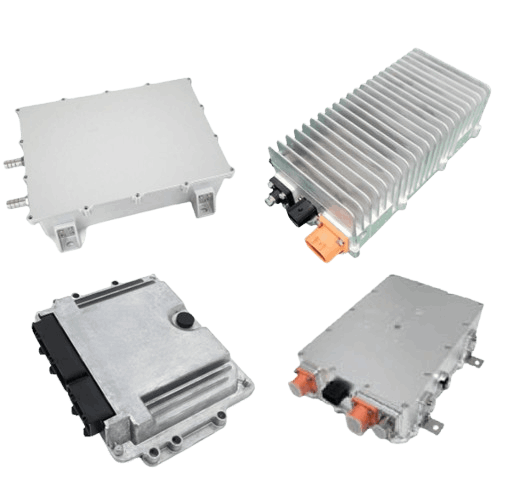
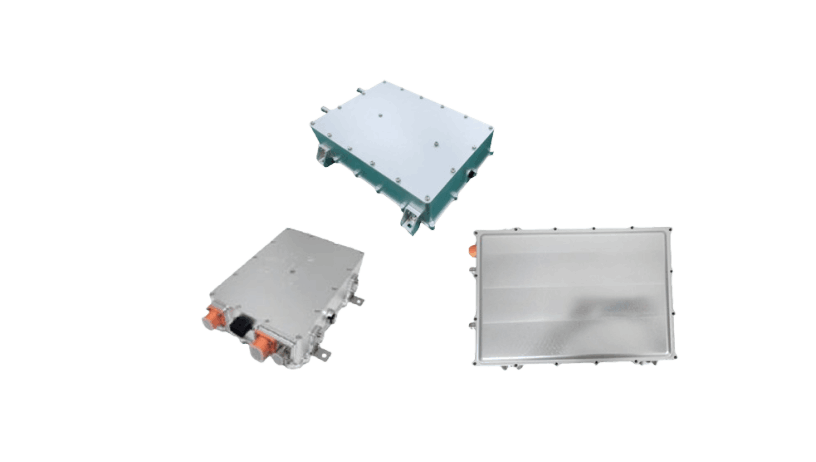
OBC
AC-DC Converter
3,3kW, 6,6kW, 12kW, ...

Converting grid AC power to DC for EV battery charging.

Mobirise Website Builder
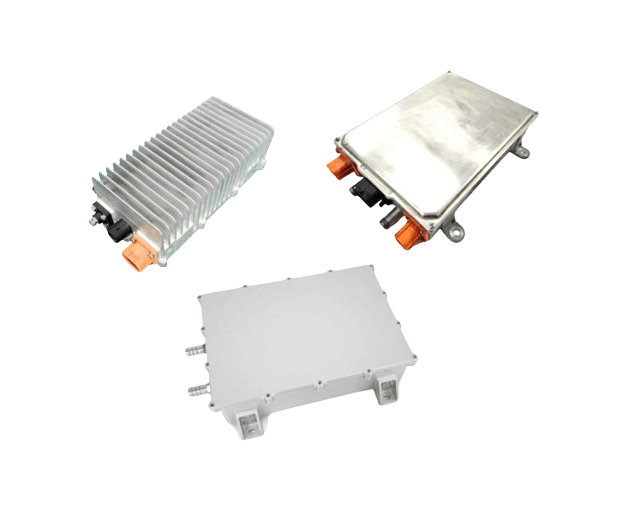
DC-DC Converter
1kW, 1.8kW, 3kW, ...

Converting high-voltage power to low-voltage for auxiliary accessories.

Mobirise Website Builder
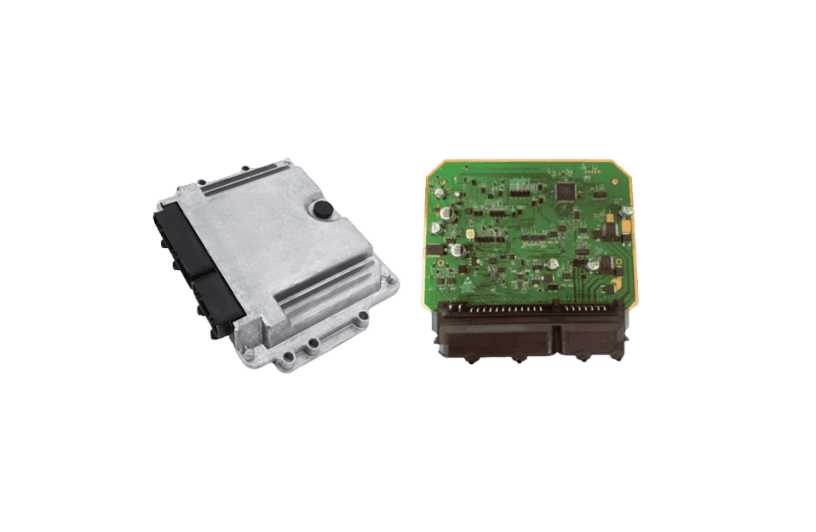
Vehicle Control Unit
for converted EV

Managing and coordinating the EV's major powertrain and vehicle functions.

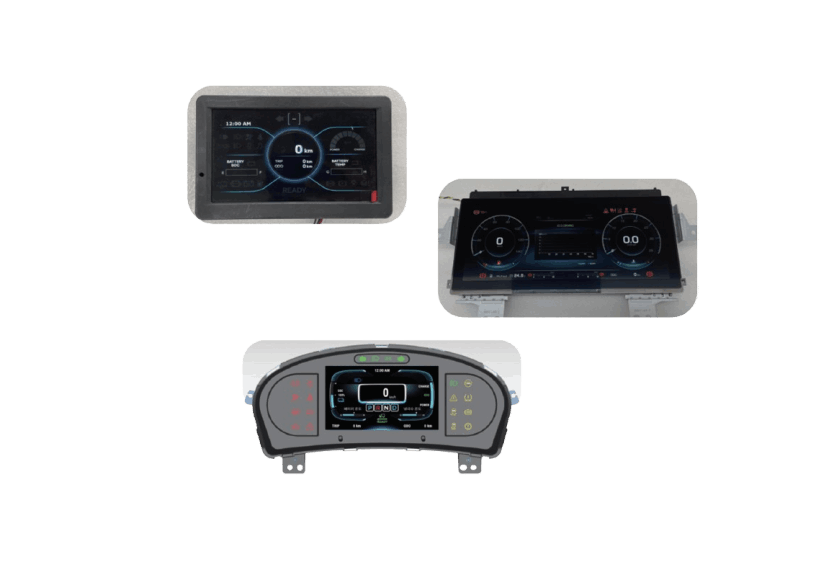
Meter Cluster
Meter Cluster
7", 12.3"

Displaying essential EV data, battery status, and remaining range information.

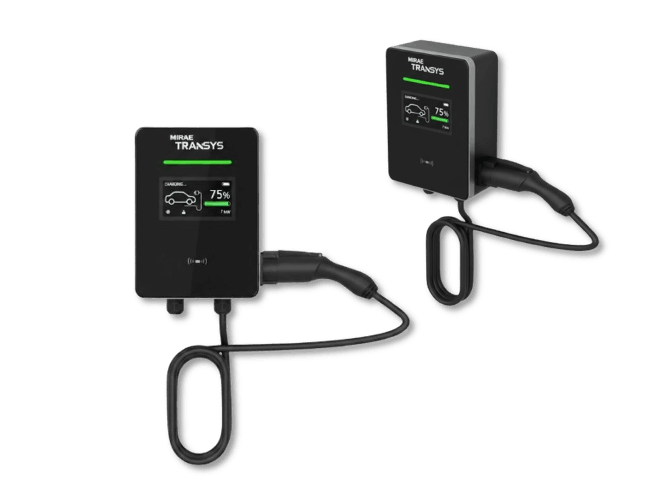
AC Charger
AC EV Charger
7kW (for fire prevention)

Providing AC power for electric vehicle charging.

AC Charger
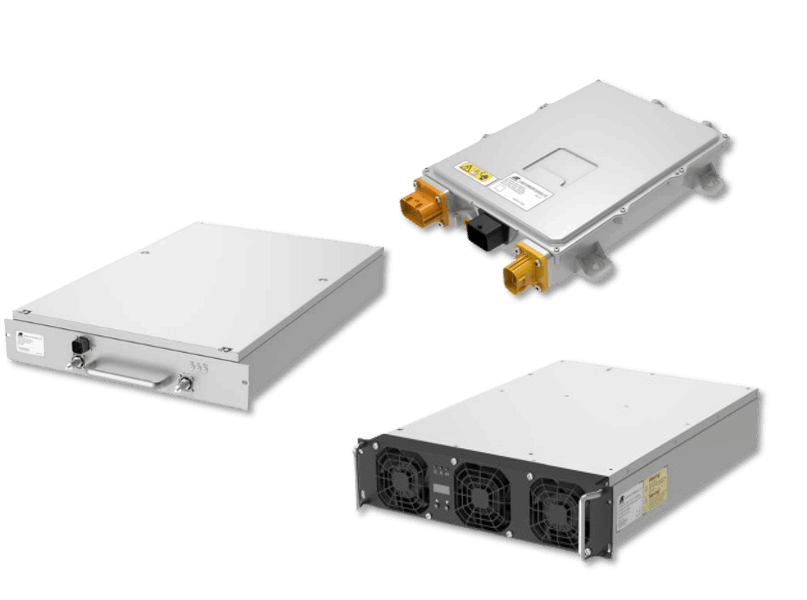
Power Module
Various Options

Air Cooling, Liquid Cooling, Combo type, etc. ...

Request Catalog

Contact Us

Questions

Slow Charging (AC): Uses AC power, which is converted to DC by the on-board charger (OBC). The speed is slow (typically 3–7 kW).

Fast Charging (DC): The charger converts AC to high-power DC and supplies it directly to the battery. It is much faster (typically 50 kW or more).

Korea's Standard: Type 1 (J1772) for slow AC charging and CCS 1 (Combined Charging System 1) for fast DC charging.

Other Standards: International standards include Type 2 and CHAdeMO.

Slow AC Chargers: Generally use AC 220V with 3–7 kW output.

Fast DC Chargers: Use high-voltage/high-current DC, providing various outputs like 50 kW, 100 kW, or 300 kW and higher.

Overcurrent, overvoltage, overheating, or operation above the designed rating.

To eliminate ground loops, protect the system from common-mode noise and surges, and ensure stable operation in interference-sensitive systems.

Contacts

Get in touch with us


Phone: +82-10-5904-0368

E-mail: transys.contact@gmail.com

Address: 
357, Guseong-ro, Giheung-gu, Yongin-si, Gyeonggi-do, Republic of Korea

Working hours:
9:00AM - 6:00PM


AI Website Generator